Let's Understand What Your Application Actually Needs
Whether you are planning an LPG or Natural Gas project, you likely already have questions. These are engineering questions and this is where we help.
- ?How much gas will I need?
- ?What pressure should I maintain?
- ?What size should my pipeline be?
- ?Should I use VOT, LOT or another LPG configuration?
- ?Is my existing system capable of handling additional load?
- ?Why am I experiencing pressure drop or cylinder freezing?
- ?Would conversion to LPG or Natural Gas make sense for my operation?
How Our Consultancy Works
Consult. Design. Optimize. Comply.
Consult. Design.
Optimize. Comply.
Consult
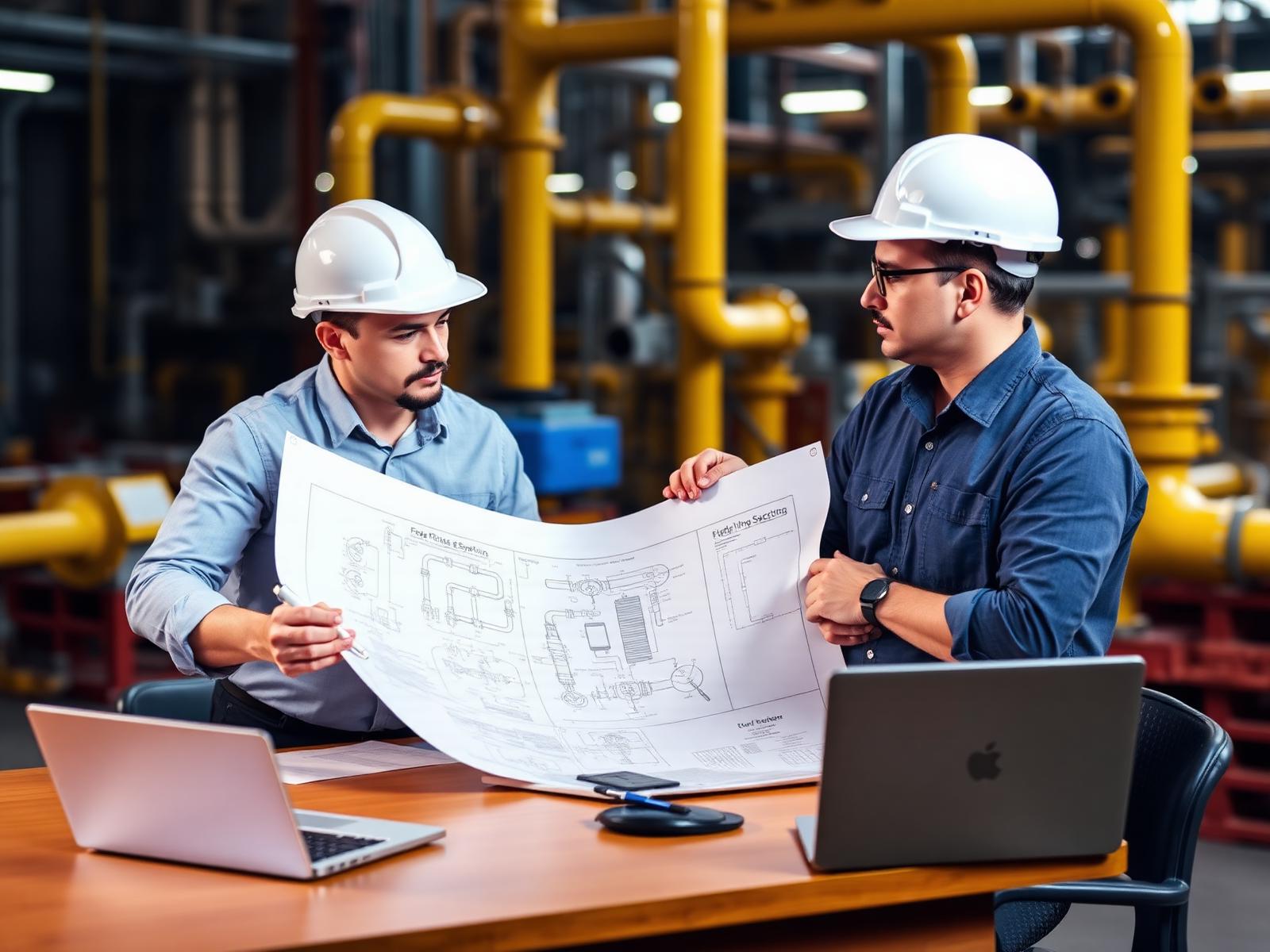
We start by understanding your application, your existing system if you have one, and the problem or project in front of you. This is where the right questions get asked, before any equipment enters the conversation.
Design
We work out what the system actually needs, evaluated as one connected path rather than a set of separate parts. This is where most gas systems either get engineered correctly, or start heading toward a costly correction later.
Optimize
We size the system to your real operating requirement, not larger and not smaller than necessary. Oversizing adds cost you don't need. Undersizing creates problems you'll face later.
Comply
Before anything is recommended, the design is checked against safety and applicable engineering requirements. This is the last check before a recommendation reaches you.